
From Prototype to Production: How Keystone Speeds Up Pharmaceutical Packaging Launches
TL;DR:
- Packaging launch timelines depend on how smoothly design and production phases connect
- Prototyping tools that mirror final production help avoid delays from unexpected changes later
- Dedicated production resources allow turnaround times as fast as 24 to 72 hours after final artwork
- A connected design-to-production process supports brands facing tight deadlines or last-minute launches
A packaging launch timeline is only as fast as its slowest step, and that step is often the gap between finalizing a design and getting it into production. Delays at this stage can push back retail placement dates, derail promotional windows, or leave brands scrambling when demand shifts unexpectedly. Keystone has built its package design and prototyping process to connect directly with rapid production capabilities, helping pharmaceutical and OTC brands move from concept to shelf without losing time at the handoff.
Where Packaging Timelines Usually Slow Down
Most delays in packaging development don’t happen during initial design work, they happen during the transition from design to production. A prototype that looks right on screen or in a printed sample can still reveal issues once it moves to actual production equipment, requiring revisions that push back the entire schedule.
Catching these issues early, before a design moves to full production, is one of the most effective ways to protect a launch timeline. This depends on having prototyping tools that closely reflect what the final product will actually look and perform like.
Prototyping That Mirrors Production
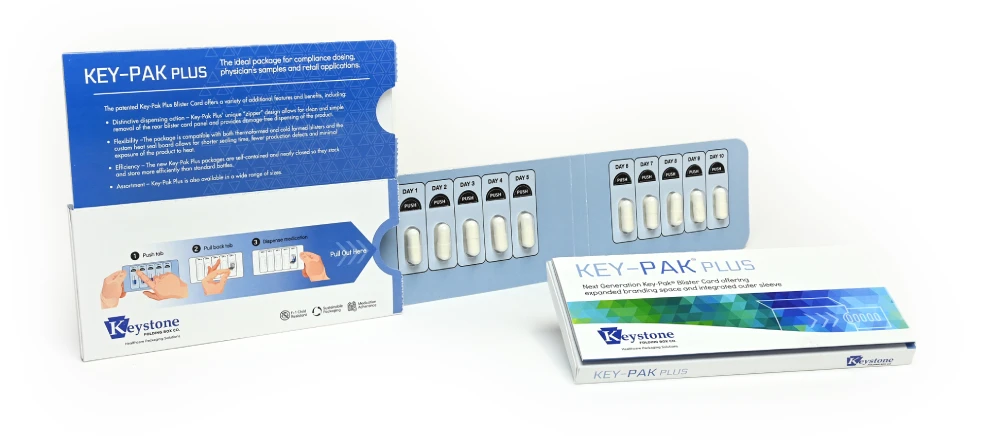
Keystone’s design and prototyping services include working samples made from the same materials and construction methods used in production, giving brands a chance to see, touch, and test packaging before committing to a full run. Full-color printed samples support presentations and photoshoots without waiting on production timelines, and 3D movable PDFs allow teams to review packaging details digitally from any angle.
Short-run production is also available for testing and validation, covering shipping simulations, child-resistant testing, and fulfillment equipment setup. Because these samples are produced using methods consistent with full-scale production, fewer surprises emerge once a design moves forward, which keeps the overall timeline intact.
Moving Into Production Without Losing Momentum
Once a design is finalized, Keystone’s Rapid Product Launch service is built to carry that momentum forward. Quick turnaround production can be ready in as little as 24 to 72 hours after final artwork is received, supported by dedicated printing presses, die-cutting equipment, and finishing lines reserved specifically for rapid launch projects.
Because equipment and resources are held on standby, production can begin without waiting in a general queue. This matters most for brands facing last-minute launches, unexpected demand spikes, or promotional packaging tied to a specific date.
Why the Connection Between Design and Production Matters
A fast production process doesn’t fully solve a tight timeline if the design phase before it runs long or requires late-stage rework. Likewise, a quick design process loses its advantage if production can’t keep pace once artwork is finalized.
Treating design, prototyping, and production as connected steps, rather than separate phases handled by different teams or vendors, removes friction at the points where delays typically occur. This is part of why Keystone’s Rapid Product Launch service reports a 100% success rate across all launches to date, including many completed ahead of schedule.
Frequently Asked Questions
Q: How fast can pharmaceutical packaging be produced after final artwork is approved?
A: Turnaround times as fast as 24 to 72 hours are possible when dedicated production resources are reserved for the project.
Q: Why does prototyping matter for launch timelines?
A: Prototypes that closely match production materials and methods help catch potential issues early, reducing the chance of delays from late-stage revisions.
Q: What kind of testing can be done during the prototyping phase?
A: Short-run production can support shipping simulations, child-resistant testing, and fulfillment equipment validation before a full production run begins.
Q: Is rapid production only useful for new product launches?
A: No. It also supports unexpected demand spikes, promotional packaging, and last-minute changes to existing products.
Ready for a Faster Path to Market?
Whether preparing for a new launch or managing a tight deadline, having design, prototyping, and production work together can make the difference between hitting a date and missing it. Connect with the Keystone team to discuss how a connected packaging process can support your next launch.
Latest Articles
While Keystone continues to be a leader in the manufacturing and design of paperboard packaging, they are also a design center and source for non-paperboard packaging components. To learn more about Keystone Folding Box Company, please contact Ward Smith at Keystone Folding Box Company, at (513) 871-4747, ward.smith@keyboxco.com or visit www.keyboxco.com.