

Dose Pack Packaging
A Complete Guide to Pharmaceutical Dose Packs and Medication Adherence Packaging
In pharmaceutical packaging, the term dose pack refers to a packaging format that organizes medication doses in the exact order and timing prescribed by a physician.
Instead of dispensing tablets in a bottle where patients must interpret instructions themselves, dose pack packaging arranges each dose within a structured layout—typically a blister pack or wallet—so patients follow the treatment schedule directly from the package.
Dose packs are widely used for medications with:
- Tapering regimens
- Multiple daily doses
- Short treatment courses
- Sequential therapy schedules
By presenting medication doses in a guided format, dose pack packaging helps reduce confusion and improve medication adherence.
What Is a Dose Pack?
A dose pack is a pharmaceutical package designed to organize and guide a patient’s dosing schedule.
Each tablet or capsule is placed in a specific cavity or compartment representing a specific day or dose sequence.
Patients simply follow the package layout to take medication in the correct order.
One of the most widely recognized examples is the Medrol Dose Pak, which organizes tablets into a 6-day steroid taper schedule. The packaging itself instructs the patient how many tablets to take each day.
This approach turns the packaging into an instructional dosing system, not just a container.
Why Dose Pack Packaging Is Important
Medication adherence is a major challenge in healthcare.
Studies have shown that many patients:
- Miss doses
- Take medication at the wrong time
- Stop treatment early
- Misinterpret dosing instructions
Dose pack packaging helps address these problems by organizing medication doses in a visual and intuitive format.
Key Benefits of Dose Pack Packaging Include:
Improved Patient Compliance:
Patients simply follow the layout of the package.
Reduced Dosing Errors:
Sequential packaging prevents double dosing or skipped doses.
Clear Treatment Guidance:
The packaging itself communicates dosing instructions.
Better Treatment Outcomes:
When patients follow the prescribed schedule correctly, therapies are more effective.
For many medications, packaging design plays a direct role in therapeutic success.
Common Types of Dose Pack Packaging
Several packaging formats are used to create pharmaceutical dose packs.
Blister Dose Packs
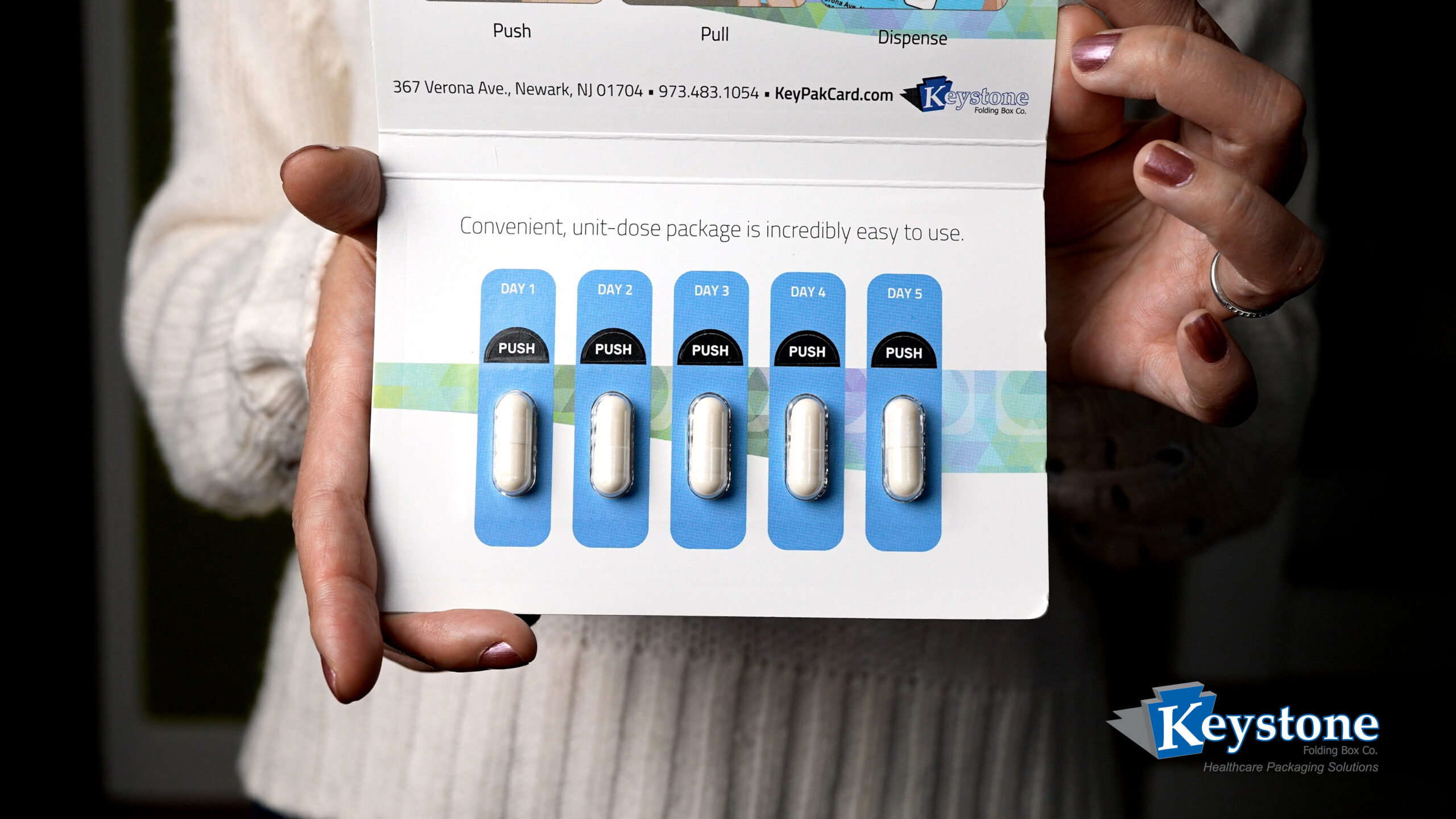
Blister packaging is the most common format used for dose packs.
Each tablet or capsule is sealed in its own cavity within a blister card.
Advantages include:
- Individual dose protection
- Tamper evidence
- Moisture barrier protection
- Clear dose visibility
Blister dose packs are commonly used for:
- Antibiotics
- Steroid taper regimens
- Oral contraceptives
- Short-course therapies
- Clinical trial medications
Wallet Dose Packs
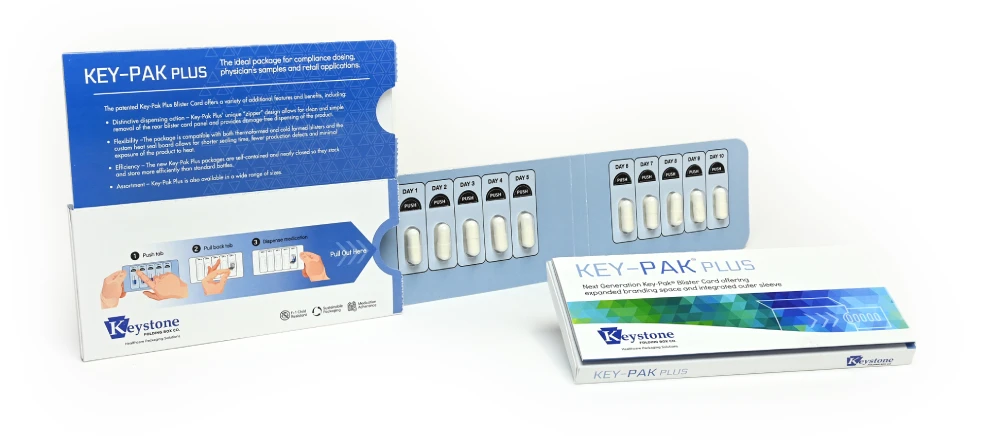
Wallet-style packaging combines blister cards with a folding carton structure.
This format provides space for:
- Step-by-step dosing instructions
- Patient education materials
- Visual dose diagrams
- Branding and product information
Wallet dose packs are commonly used when clear patient guidance is critical.
Calendar Dose Packs
Calendar packaging organizes doses by day of the week or treatment day.
This format helps patients track whether they have taken their medication.
Calendar dose packs are especially helpful for:
- Long-term medications
- Preventative therapies
- Hormonal treatments
- Chronic disease management
Child-Resistant Dose Pack Packaging
Some medications require child-resistant packaging under regulatory guidelines.
Dose pack packaging can incorporate child-resistant mechanisms while still maintaining patient usability.
Examples include:
- Push-through blister wallets
- Sliding blister card systems
- Dual-action opening features
Modern pharmaceutical packaging must balance child safety with senior accessibility.
Dose Packs in Clinical Trials
Dose pack packaging is also widely used in clinical research studies.
In clinical trials, packaging plays an important role in tracking patient adherence and ensuring protocol compliance.
Dose pack formats help:
- Organize dosing schedules
- Reduce dosing mistakes
- Improve data accuracy
- Simplify patient instructions
Clinical trial sponsors often use wallet blister packaging to guide patients through study dosing regimens.
Designing an Effective Dose Pack
Developing dose pack packaging requires careful consideration of multiple factors.
Dosing Complexity:
How many tablets are taken per day and how the schedule changes.
Patient Usability:
Packaging must be intuitive and easy to follow.
Child-Resistant Requirements:
Some medications require certified child-resistant packaging.
Regulatory Labeling:
Pharmaceutical labeling requirements must be incorporated.
Branding and Education:
Wallet packaging can support patient education and product differentiation.
The best dose pack designs combine engineering, regulatory compliance, and patient-centered design.
Keystone Dose Pack Packaging Platforms
Keystone Folding Box specializes in pharmaceutical adherence packaging systems designed to guide patient dosing and improve medication safety.
Keystone platforms include several wallet-based dose pack systems used by pharmaceutical manufacturers worldwide.
Key-Pak®
A proven blister wallet format used for prescription and OTC medications.
Key-Pak Plus®
A reinforced wallet system that provides additional structure and security.
Push-Pak®
A child-resistant blister wallet designed for medications requiring safety compliance.
Ecoslide-RX®
A sliding blister wallet platform engineered for child-resistant and senior-friendly access.
These packaging platforms combine blister protection with adherence-focused wallet design, making them ideal for dose pack applications.
The Future of Dose Pack Packaging
Pharmaceutical packaging is evolving rapidly.
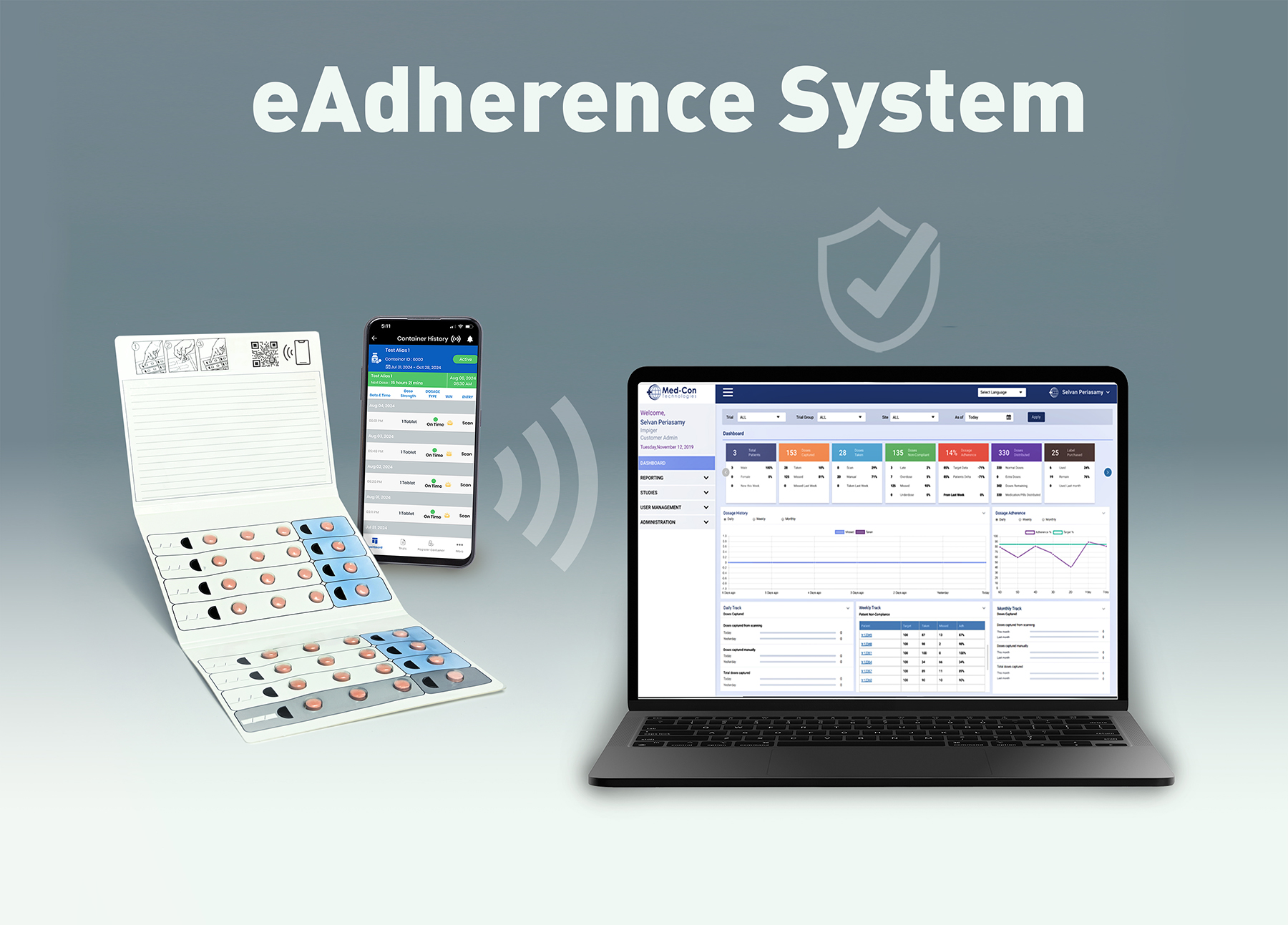
New innovations are integrating digital health technologies, adherence monitoring, and smart packaging systems with traditional dose pack formats.
Future dose pack packaging may include:
- Smart adherence tracking
- QR code dosing support
- Connected medication monitoring
- Interactive patient guidance
As therapies become more complex, packaging that supports correct dosing and patient adherence will continue to play a critical role in pharmaceutical treatment success.
Choosing the Right Dose Pack Packaging Partner
For pharmaceutical manufacturers, selecting the right packaging platform is essential.
An effective dose pack system should provide:
- Clear patient guidance
- Regulatory compliance
- Protection of the medication
- Child-resistant options when required
- Scalability for commercial manufacturing
Keystone’s packaging platforms are designed specifically to support pharmaceutical dose pack applications and medication adherence packaging.
Dose Pack Packaging and Medication Adherence
The packaging surrounding a medication can significantly influence how patients take their therapy.
Dose pack packaging transforms medication packaging into a guided treatment system, helping patients follow their prescribed regimen correctly.
As healthcare continues to emphasize adherence and patient safety, dose pack packaging will remain a critical component of modern pharmaceutical product design.
Latest Articles
While Keystone continues to be a leader in the manufacturing and design of paperboard packaging, they are also a design center and source for non-paperboard packaging components. To learn more about Keystone Folding Box Company, please contact Ward Smith at Keystone Folding Box Company, at (513) 871-4747, ward.smith@keyboxco.com or visit www.keyboxco.com.