

Child Resistant Cartons: Choosing the Right Pharmaceutical Packaging System for Your Product
Child resistant pharmaceutical packaging plays a critical role in patient safety, but selecting the right system involves more than meeting regulatory requirements. Child resistant cartons influence how safely medications are stored, how reliably patients can access them, and how efficiently products move through manufacturing and distribution.
As dosage forms, patient populations, and delivery settings continue to evolve, child resistant packaging must perform consistently across a wide range of real-world conditions. A solution that passes compliance testing may still introduce challenges if it does not align with patient behavior or production realities. For pharmaceutical teams, the key question is how to select a child resistant packaging system that fits the product, the patient, and the process.
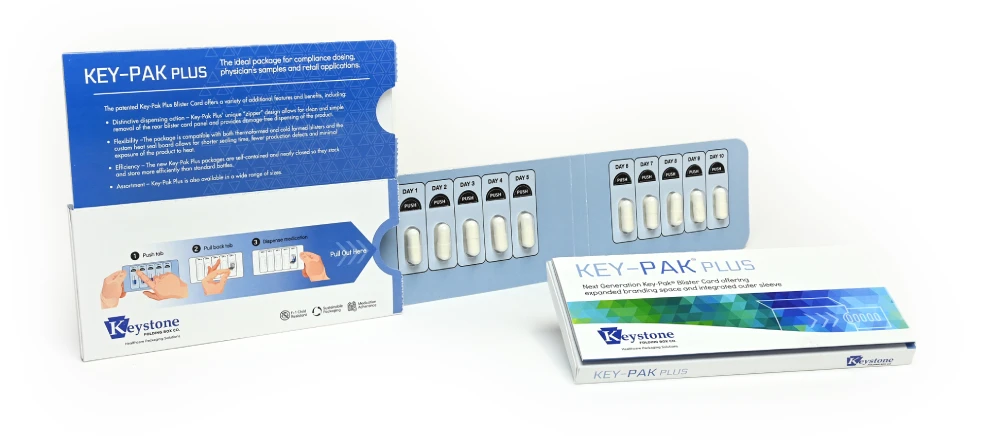
Keystone has spent decades engineering paperboard-based child resistant pharmaceutical carton packaging that balances safety, usability, and manufacturability. In practice, this balance is shaped by how a package is used, how often it is opened and reclosed, and how reliably it must perform on automated packaging lines over time.
Moving Beyond Compliance-Only Thinking
Regulatory standards define how child resistance is measured, but they do not determine how a package performs in real-world use. A child resistant system may pass testing yet still create challenges for patients or manufacturing teams if it is not aligned with actual use patterns or production environments.
Effective child resistant pharmaceutical packaging balances safety with practicality. This requires understanding patient interaction, opening frequency, and the level of dexterity required, as well as how the packaging behaves on automated lines. Compliance is the starting point, not the finish line.
Evaluating Child Resistant Packaging Based on Product Use
Different medications demand different access patterns. A daily maintenance drug presents very different requirements than a medication accessed occasionally or on an as-needed basis. Packaging that works well for one use case may frustrate patients in another.
When evaluating child resistant pharmaceutical packaging, teams should consider how often the carton will be opened, whether reliable reclosure is required, and how instructions guide proper use. These factors influence adherence and help reduce the likelihood that patients transfer medication into unsecured containers. Packaging decisions made without this context can unintentionally undermine safety goals.
Manufacturing and Line Performance Considerations
Child resistant carton systems must perform reliably at scale. Designs that introduce variability, require additional manual steps, or slow throughput can create operational risk during commercialization.
Child resistant pharmaceutical packaging should be evaluated for how it forms, fills, and seals on existing equipment. Structural features must behave predictably at speed and remain consistent across large production runs. Aligning packaging design with manufacturing realities early helps avoid costly changes during validation or scale-up.
Integrating Safety Into the Packaging Structure
Structural child resistance offers important advantages over add-on components. When resistance mechanisms are built directly into the carton, performance remains more consistent across both production and patient use.
This integrated approach can reduce material complexity and minimize opportunities for failure. It also simplifies inspection and quality control by embedding safety features into the core structure rather than relying on secondary elements such as labels or accessories.
Considering Patient Populations and Accessibility
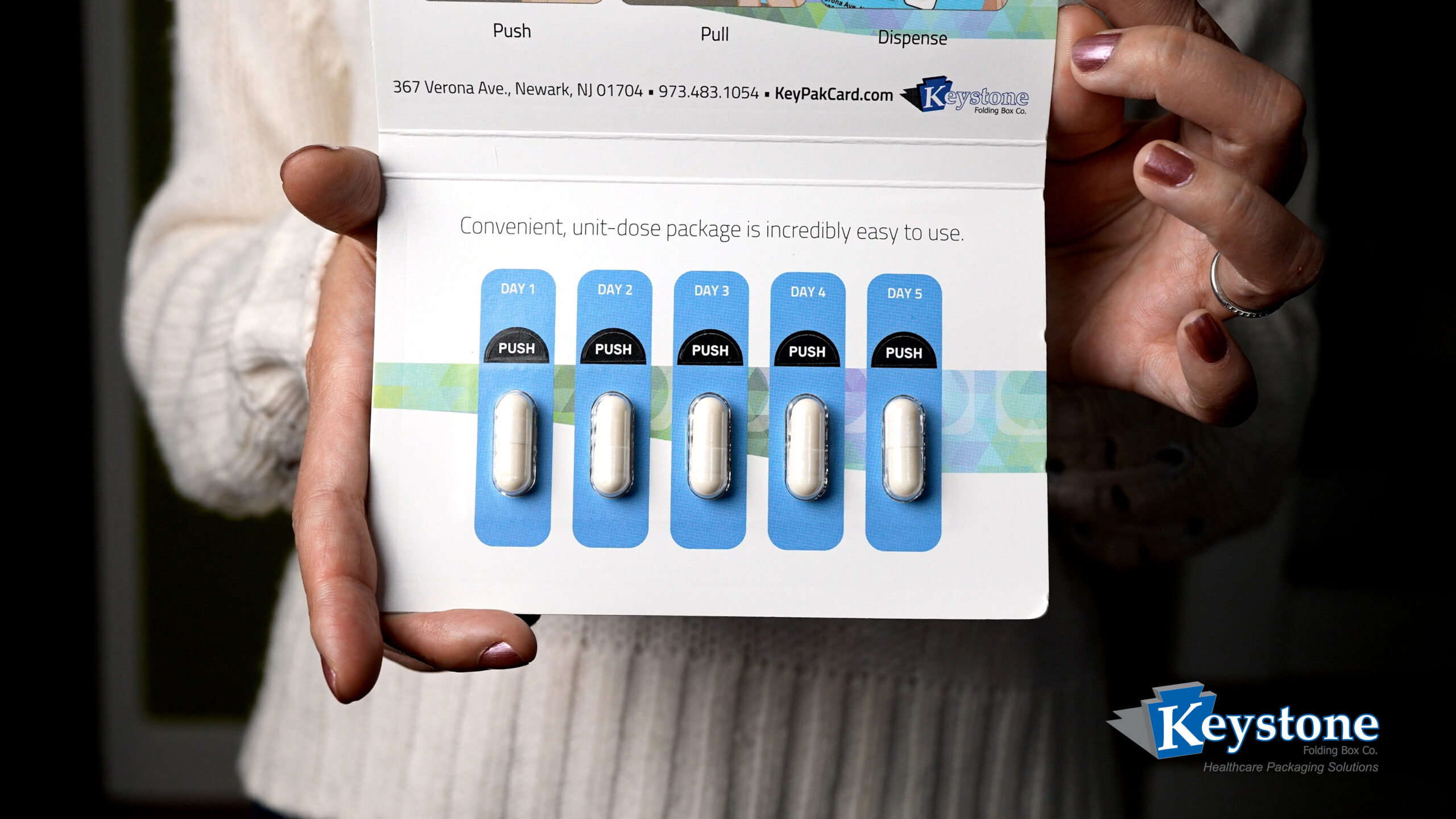
Child resistant pharmaceutical packaging must account for adult usability, including patients with limited grip strength, reduced dexterity, or visual impairment. Access should rely on clear, repeatable motions rather than excessive force, allowing patients to open their medication reliably while maintaining the required level of child resistance.
Evaluating packaging through real patient interaction helps reduce frustration and misuse. Systems that guide proper opening behavior support consistent access, discourage medication transfer to unsecured containers, and reinforce adherence. Accessibility and safety are not opposing requirements; in effective child resistant carton packaging, they are engineered together.
A Strategic Approach to Child Resistant Carton Selection
Choosing child resistant pharmaceutical packaging is a cross-functional decision involving regulatory, engineering, operations, and patient use considerations. Treating packaging selection as a strategic system choice rather than a late-stage requirement reduces risk throughout the product lifecycle.
Keystone works with pharmaceutical teams to evaluate child resistant carton packaging options in the context of real-world use and manufacturing demands. This approach helps ensure that safety, usability, and scalability remain aligned from development through commercialization.
To explore child resistant pharmaceutical packaging strategies that fit your product and production environment, connect with the Keystone team.
Latest Articles
While Keystone continues to be a leader in the manufacturing and design of paperboard packaging, they are also a design center and source for non-paperboard packaging components. To learn more about Keystone Folding Box Company, please contact Ward Smith at Keystone Folding Box Company, at (513) 871-4747, ward.smith@keyboxco.com or visit www.keyboxco.com.