

DosePak vs Dose Pack Packaging
What Pharmaceutical Companies Should Know
In pharmaceutical packaging discussions, the term “DosePak” often appears in search results, product specifications, and packaging conversations. However, many people are unaware that DosePak is simply one branded version of a broader packaging category known as a “dose pack.”
Understanding the difference between DosePak and dose pack packaging is important for pharmaceutical companies developing therapies that require structured dosing schedules.
Dose pack packaging has become a critical tool in modern pharmaceutical product design, helping improve medication adherence, reduce dosing errors, and guide patients through complex treatment regimens.
What Is Dose Pack Packaging?
A dose pack is a pharmaceutical packaging format designed to organize medication doses in the exact sequence and timing prescribed by a physician.
Instead of dispensing tablets in a bottle, the medication is arranged in a structured layout—typically a blister card or wallet format—so each dose corresponds to a specific day or step in the treatment schedule.
This packaging approach helps patients follow the therapy correctly without having to interpret written instructions alone.
Dose packs are commonly used for medications with:
- Tapering schedules
- Multi-day treatment regimens
- Sequential dosing
- Combination therapies
- Short-course medications
The packaging itself becomes a visual guide for the therapy.
Why Dose Pack Packaging Is Widely Used
Medication adherence is a major challenge in healthcare. Many patients unintentionally take medication incorrectly due to complicated instructions.
Dose pack packaging solves this problem by organizing medication in a format that visually communicates how the therapy should be taken.
Benefits include:
Clear Dose Sequencing:
Each dose is placed in the correct order of administration.
Reduced Patient Confusion:
Patients follow the package layout rather than relying solely on instructions.
Improved Medication Adherence:
Structured packaging helps patients stay on schedule.
Fewer Dosing Errors:
Sequential blister packaging helps prevent missed or duplicate doses.
Because of these benefits, dose pack packaging is widely used across prescription and over-the-counter pharmaceuticals.
The Most Recognized Example of a Dose Pack
One of the most widely recognized examples of dose pack packaging is the Medrol Dose Pak, a steroid treatment packaged in a blister format that guides patients through a tapering schedule over several days.
Each row of tablets represents a specific day of therapy, helping patients follow the correct dosing schedule.
This packaging design has become a familiar example of how dose pack packaging can guide patients through complex regimens.
Common Types of Dose Pack Packaging
Dose pack packaging can be implemented in several different formats depending on the medication and treatment schedule.
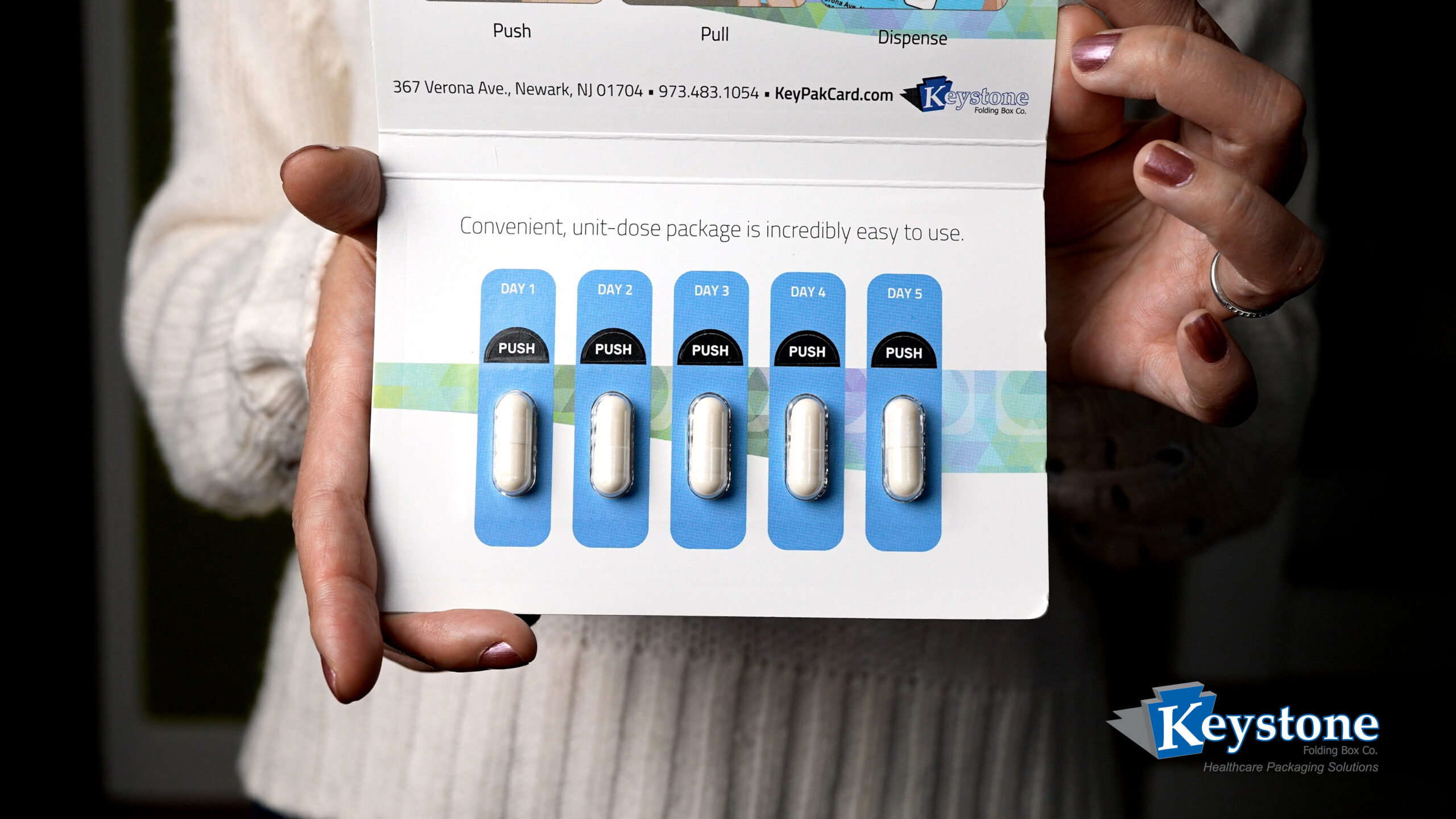
Blister Dose Packs
Blister packs are the most common format for dose pack packaging.
Each tablet is sealed in an individual cavity, which protects the medication while allowing doses to be arranged in a specific sequence.
Benefits include:
- Tamper evidence
- Moisture protection
- Dose visibility
- Accurate dose organization
Blister dose packs are widely used for antibiotics, steroids, contraceptives, and other medications requiring guided dosing.
Wallet Dose Packs
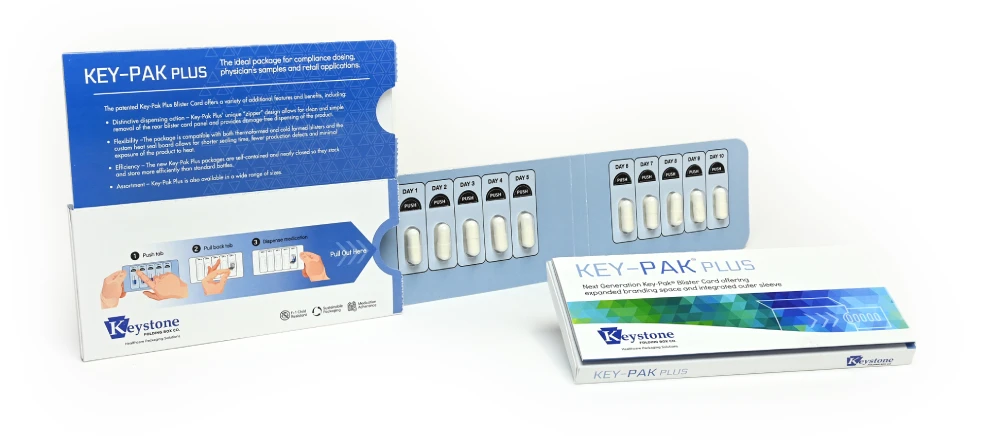
Wallet packaging combines blister cards with a folding paperboard structure.
This format allows space for:
- Detailed dosing instructions
- Treatment diagrams
- Patient education information
- Branding and product messaging
Wallet-style dose packs help communicate therapy instructions clearly while maintaining medication protection.
Calendar Dose Packs
Calendar packaging organizes medication by day of the week or day of treatment.
This format helps patients quickly identify whether they have taken their medication.
Calendar dose packs are commonly used for long-term therapies where adherence tracking is important.
Child-Resistant Dose Pack Packaging
Many medications require child-resistant packaging to comply with regulatory standards.
Dose pack packaging can incorporate child-resistant features while still remaining accessible for adult patients.
Examples include:
- Sliding blister wallets
- Dual-action opening mechanisms
- Push-through blister systems with protective structures
Balancing child safety with senior usability is a critical aspect of pharmaceutical package engineering.
Dose Pack Packaging in Clinical Trials
Dose pack packaging is widely used in clinical research studies.
In clinical trials, packaging helps ensure patients follow the study dosing protocol correctly.
Dose pack systems help clinical researchers:
- Organize dosing schedules
- Track patient adherence
- Reduce protocol deviations
- Improve data reliability
Blister wallet packaging is frequently used in clinical studies where dosing accuracy is essential.
Keystone Dose Pack Packaging Platforms
Keystone Folding Box specializes in pharmaceutical dose pack packaging systems designed to support medication adherence and patient safety.
These platforms combine blister packaging with engineered paperboard wallets that guide dosing schedules.
Keystone dose pack systems include:
Key-Pak®
A widely used blister wallet format designed for pharmaceutical dose packaging.
Key-Pak Plus®
A reinforced wallet system that provides additional structural support and product security.
Push-Pak®
A child-resistant blister wallet platform designed for medications requiring safety compliance.
Ecoslide-RX®
A sliding blister wallet platform engineered for child-resistant and senior-friendly functionality.
These platforms help pharmaceutical companies create packaging that supports dosing accuracy, patient usability, and regulatory compliance.
Choosing the Right Dose Pack Packaging
When developing dose pack packaging, pharmaceutical companies should consider several factors:
Dosing Schedule Complexity:
The number of doses and how they must be sequenced.
Patient Experience:
Packaging must be intuitive and easy to follow.
Child-Resistant Requirements:
Some therapies require certified child-resistant packaging.
Product Protection:
Packaging must protect tablets or capsules from moisture and contamination.
Manufacturing Efficiency:
The packaging design must integrate with commercial manufacturing processes.
Working with an experienced pharmaceutical packaging partner helps ensure the final dose pack system meets both patient needs and regulatory requirements.
The Future of Dose Pack Packaging
As pharmaceutical therapies become more complex, packaging that supports medication adherence is becoming increasingly important.
Future dose pack innovations may incorporate:
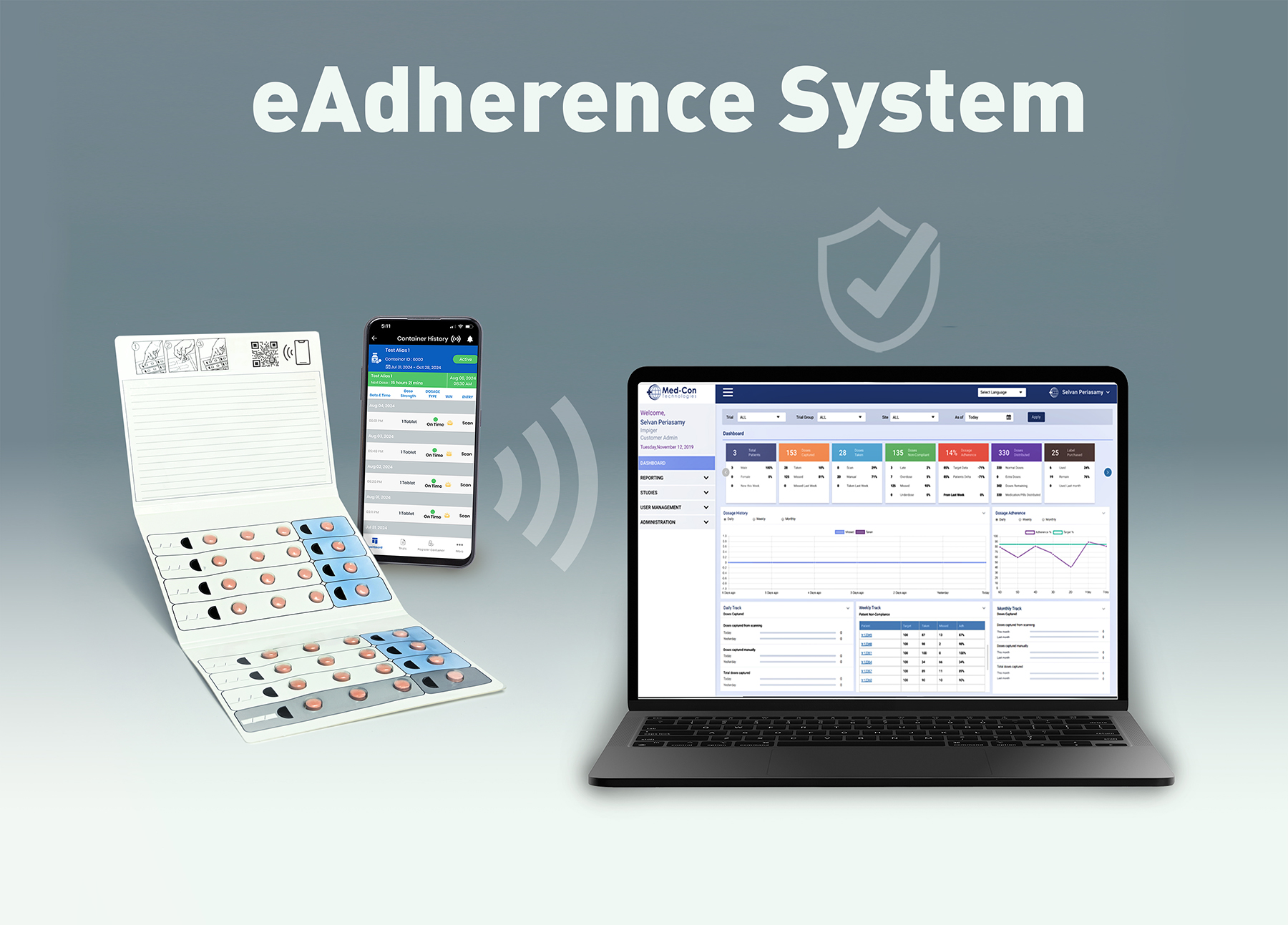
- Smart adherence tracking
- Digital patient support tools
- Connected packaging technologies
- QR code medication guidance
Dose pack packaging is evolving from simple containment into a patient guidance system that supports therapy success.
Learn More About Keystone Dose Pack Packaging
Keystone Folding Box develops pharmaceutical dose pack packaging systems designed to guide patients through their treatment regimen while meeting regulatory and safety requirements.
From blister wallet systems to child-resistant dose pack platforms, Keystone packaging solutions help pharmaceutical brands deliver medications in packaging designed to improve adherence and patient outcomes.
Latest Articles
While Keystone continues to be a leader in the manufacturing and design of paperboard packaging, they are also a design center and source for non-paperboard packaging components. To learn more about Keystone Folding Box Company, please contact Ward Smith at Keystone Folding Box Company, at (513) 871-4747, ward.smith@keyboxco.com or visit www.keyboxco.com.