

What Is a Dose Pack?
Understanding Dose Pack Pharmaceutical Packaging
In pharmaceutical packaging, a dose pack refers to a medication package designed to organize doses in the exact order and schedule a patient should take them. Instead of dispensing medication in a bottle where patients must track instructions themselves, a dose pack presents doses in a structured format—often a blister card, wallet, or calendar-style package—so each dose is clearly identified by day, sequence, or time.
Dose packs are widely used to improve medication adherence, reduce dosing errors, and simplify complex treatment regimens.
One of the most widely recognized examples is the Medrol Dose Pak, a prescription steroid treatment packaged in a blister format that guides patients through a 6-day tapering schedule. The pack contains 21 tablets arranged so patients take six tablets on day one, five on day two, and so on until the final dose.
Because the dosing schedule is pre-organized within the packaging, patients simply follow the layout of the pack.
This concept—using packaging to guide dosing—is the foundation of modern pharmaceutical dose pack systems.
Why Dose Packs Exist
Improving Medication Adherence and Safety
Traditional prescription bottles leave dosing interpretation entirely to the patient. For many medications, especially those involving multiple tablets, changing schedules, or tapering regimens, this creates opportunities for confusion.
Dose pack packaging addresses these challenges by:
- Organizing medication by day and sequence
- Preventing missed doses or double dosing
- Simplifying complex dosing schedules
- Supporting physician-directed tapering regimens
- Improving patient adherence and outcomes
Healthcare providers increasingly rely on packaging formats that support “the right dose at the right time.”
Medication adherence packaging—often called calendar packaging or compliance packaging—helps ensure patients follow their prescribed regimen correctly.
Types of Pharmaceutical Dose Pack Packaging
Dose packs can take many physical forms depending on the medication and dosing schedule.
Blister Dose Packs
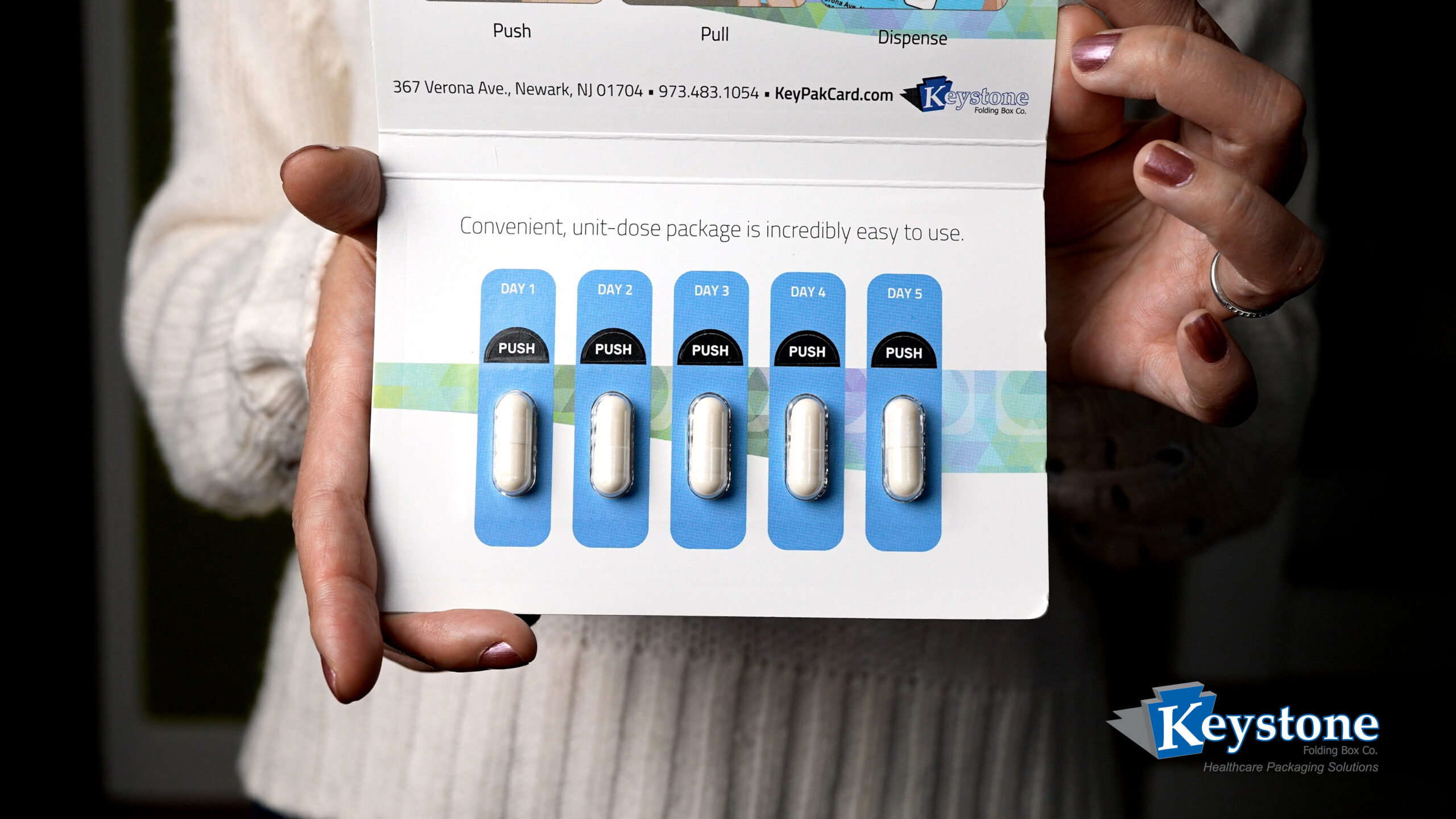
Blister packaging is one of the most common formats. Tablets or capsules are sealed into individual cavities that are organized by sequence.
Advantages include:
- Dose visibility
- Tamper evidence
- Moisture protection
- Precise dosing control
Blister packs are frequently used for short treatment regimens, tapering therapies, and clinical trial medications.
Wallet-Style Dose Packs
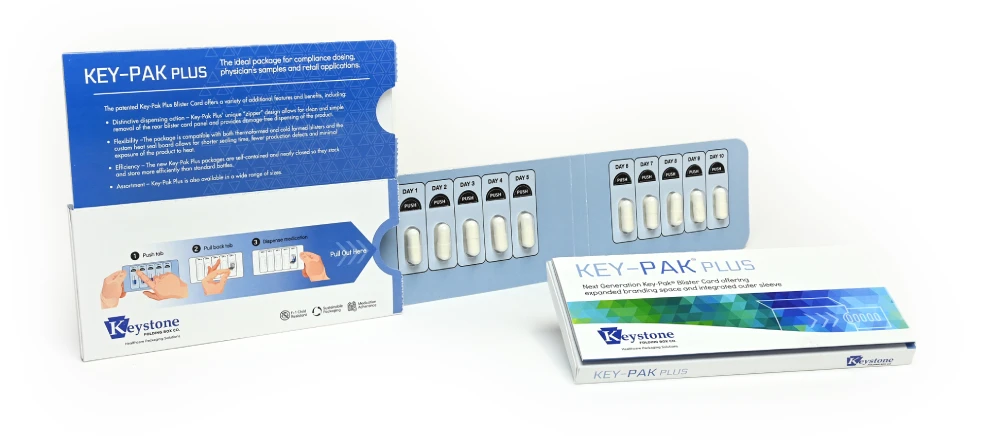
Wallet packaging combines blister cards with a folding carton or paperboard wallet.
These packages allow:
- Detailed dosing instructions
- Patient education panels
- Large graphics or diagrams showing dose order
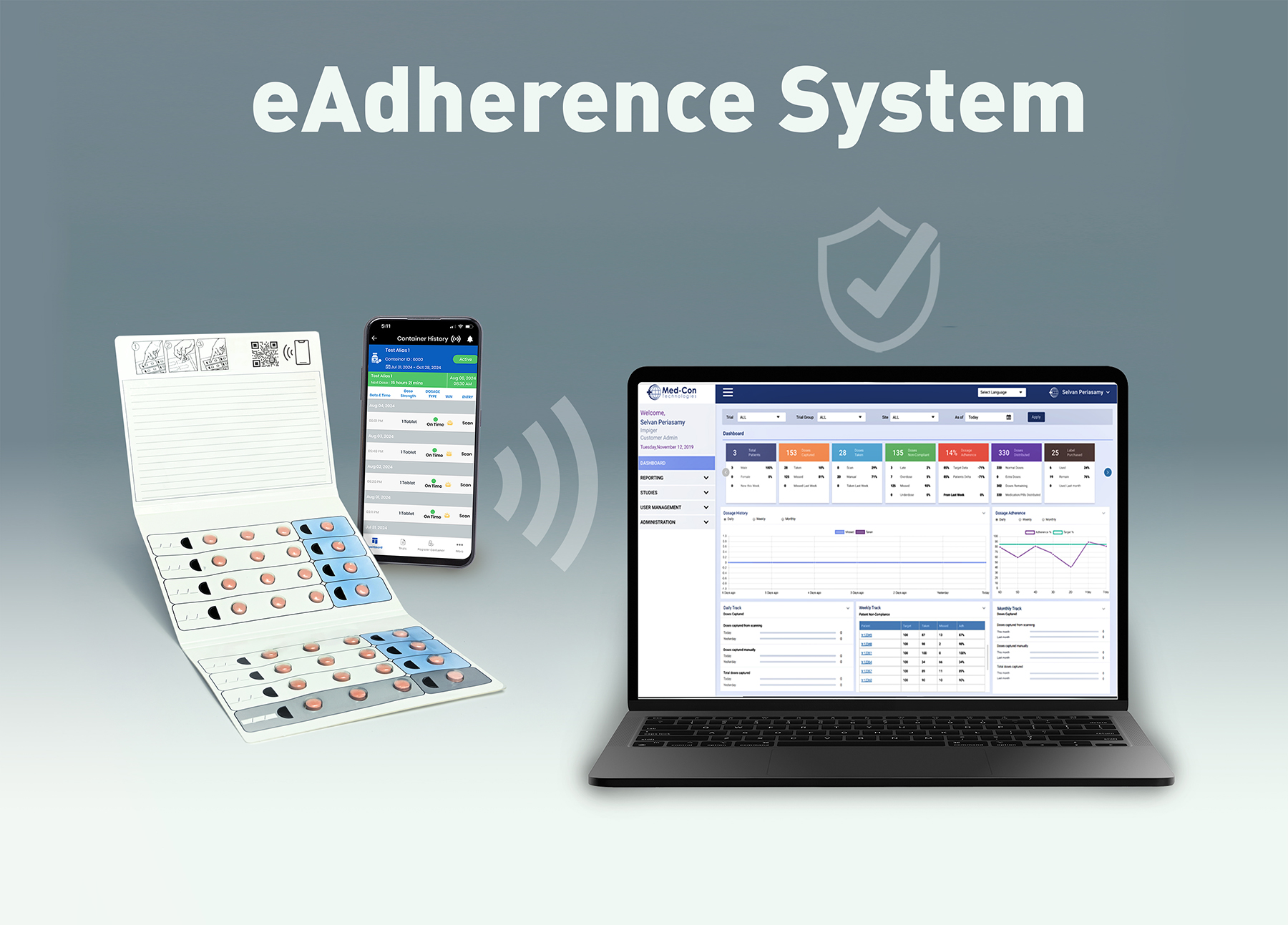
- Integrated adherence support
Wallet-based dose packs are often used for complex dosing regimens or therapies requiring patient guidance.
Unit-Dose Packaging
Unit-dose packaging isolates each individual medication dose in its own sealed compartment. This packaging method is widely used in hospitals and institutional healthcare settings.
Each package contains a pre-measured dose intended for a single administration, helping ensure accurate delivery and reducing medication errors.
The Role of Packaging in Medication Adherence
Medication adherence is one of the largest challenges in healthcare.
Patients may forget whether they took a dose, misunderstand instructions, or struggle with complicated dosing schedules.
Dose pack packaging provides a simple solution:
- The packaging becomes a visual dosing guide
- The patient follows the pack layout
- Each cavity corresponds to a scheduled dose
When the packaging itself communicates the dosing schedule, the likelihood of adherence improves significantly.
For pharmaceutical manufacturers, this means packaging is not just a container—it becomes an integrated part of the therapy.
Keystone Dose Pack Solutions
Keystone Folding Box has been developing innovative pharmaceutical adherence packaging systems for decades. These platforms combine blister packaging with engineered paperboard wallets designed to guide patient dosing while supporting regulatory and safety requirements.
Keystone dose pack platforms include:
Key-Pak®
A proven wallet blister system widely used for prescription and over-the-counter therapies.
Key-Pak Plus®
An enhanced version of the Key-Pak system that integrates additional structure and security for complex pharmaceutical products.
Push-Pak®
A child-resistant blister wallet designed for medications requiring both safety and dose management.
Ecoslide-RX®
A slide-based blister wallet that supports child-resistant and senior-friendly access while maintaining adherence functionality.
These systems enable pharmaceutical brands to deliver medication in a format that is:
- Patient-friendly
- Tamper-evident
- Adherence-focused
- Child-resistant when required
- Compatible with regulatory standards
Dose Packs in Modern Pharmaceutical Development
Today, dose pack packaging is used across many therapeutic categories:
- Steroid taper therapies
- Antibiotic courses
- Contraceptive regimens
- Oncology supportive medications
- Clinical trial treatments
- Specialty pharmaceuticals
In clinical trials and commercial pharmaceuticals alike, packaging that guides the patient through the dosing schedule helps improve compliance and data integrity.
For pharmaceutical companies, selecting the right dose pack format is increasingly seen as a product design decision—not just a packaging choice.
Designing the Right Dose Pack
When developing a dose pack system, several factors must be considered:
Dosing schedule complexity:
How many doses must be organized and in what sequence.
Child-resistant requirements:
Certain medications must meet regulatory child-resistant standards.
Patient usability:
Senior-friendly opening and clear instructions are essential.
Brand presentation:
Wallet packaging provides space for education and branding.
Regulatory labeling:
The packaging must accommodate required pharmaceutical labeling information.
Keystone works closely with pharmaceutical companies to design dose pack packaging systems that balance these requirements.
Why Dose Pack Packaging Matters
Pharmaceutical packaging has evolved far beyond simple containment.
Today, the package itself can play a critical role in ensuring the medication is taken correctly.
Dose packs deliver several advantages:
- Reduced dosing errors
- Improved patient adherence
- Enhanced medication safety
- Clearer patient instructions
- Strong brand differentiation
For pharmaceutical manufacturers seeking to improve treatment outcomes and patient experience, dose pack packaging provides a powerful solution.
Learn More About Keystone Dose Pack Packaging
Keystone Folding Box specializes in adherence packaging systems that support dosing schedules, patient safety, and pharmaceutical brand performance.
From blister wallets to child-resistant dose pack formats, Keystone platforms help pharmaceutical companies deliver medications in packaging designed to guide patients through their therapy.
If your product requires dose pack packaging, Keystone’s platforms offer proven solutions for modern pharmaceutical packaging.
Latest Articles
While Keystone continues to be a leader in the manufacturing and design of paperboard packaging, they are also a design center and source for non-paperboard packaging components. To learn more about Keystone Folding Box Company, please contact Ward Smith at Keystone Folding Box Company, at (513) 871-4747, ward.smith@keyboxco.com or visit www.keyboxco.com.